Unused sales suppression tools can still trigger penalties
HMRC has published a new compliance factsheet explaining the penalties that can apply where a business possesses an electronic sales suppression (ESS) tool, even if it has never actually been used to suppress a sale. What do you need to know?
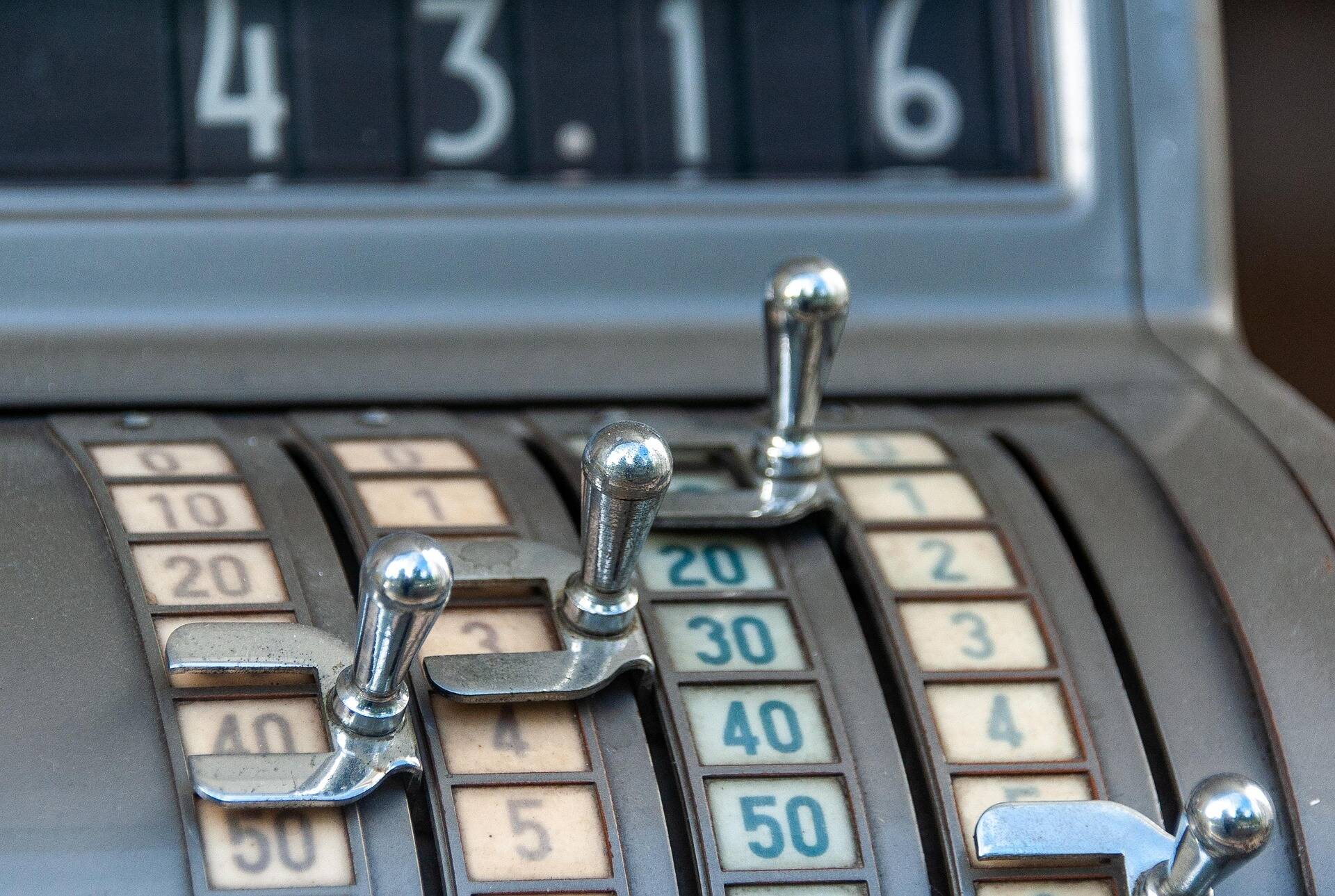
The new compliance factsheet explains that ESS broadly involves software, hardware or other tools capable of hiding or reducing transactions recorded by an electronic till or point-of-sale system. HMRC says that “possession” is not limited to owning such a tool. It can also include having access to it, or attempting to access it.
Where HMRC suspects that a business is in possession of an ESS tool, it will normally require the business to remove it or stop using it and satisfy HMRC that this has been done. Failure to comply can result in an initial penalty of up to £1,000, followed by daily penalties of up to £75 until HMRC is satisfied that the tool is no longer available. Where an ESS penalty has already been charged within the previous five years, HMRC says the full £1,000 penalty will be imposed immediately, and the daily penalty will normally be £75. Separate penalties may also arise where the tool has actually been used to suppress sales and tax has been understated.
The important point is that HMRC does not need to establish that sales have actually been hidden before a possession penalty can arise. This makes the rules particularly relevant to businesses using electronic till or point-of-sale systems where suppression functionality may be available even if it has never been used. Businesses that receive an HMRC approach concerning their till software should therefore establish exactly what functionality is available and act quickly to remove any ESS capability. Being able to demonstrate that the tool has been removed may also be important in preventing daily penalties from continuing.
Related Topics
-
Alternative education providers can protect VAT refund claims
HMRC has confirmed that some alternative providers of higher and further education can submit VAT refund claims following a Court of Appeal ruling, despite HMRC appealing the decision to the Supreme Court. What do you need to know?
-
Old IHT forms will be rejected
HMRC has stopped processing old versions of the Inheritance Tax IHT100 forms from 31 August 2026. Anyone reporting an IHT chargeable event involving a gift or trust will need to make sure they are using the correct forms. What do you need to know?
-
MONTHLY FOCUS: STARTING TO THINK ABOUT VAT
The VAT registration threshold has barely changed over the last decade. As a result, more businesses are having to register. In this Focus, we look at the key considerations for a business that needs to register, or one that may be considering doing so on a voluntary basis.
 This website uses both its own and third-party cookies to analyze our services and navigation on our website in order to improve its contents (analytical purposes: measure visits and sources of web traffic). The legal basis is the consent of the user, except in the case of basic cookies, which are essential to navigate this website.