HMRC services disrupted by strikes
You may experience difficulty or severe delays contacting HMRC’s helplines over the next few weeks, with several strikes planned. What are the scheduled dates, and how else might you resolve queries?
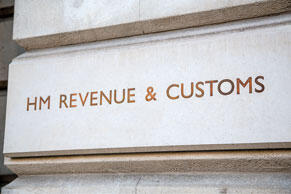
HMRC helplines are already under huge pressure. One of the most common complaints is the long wait times experienced, which can increase costs and eat into time that could be better spent elsewhere in your business. Unfortunately, the next three weeks are set to be significantly worse, as strike action will mean over 400 workers walk out in disputes over pay, job security and pensions. This is likely to affect you if you need to contact HMRC about self-assessment, PAYE, NI, or the construction industry scheme. The strike dates are:
- May – 15, 16, 17, 18, 19, 22, 23, 24, 25, 26, 29, 30, 31
- June – 1, 2
Try to contact HMRC now if you have a genuinely urgent query. Remember that a lot of information can be obtained via your personal tax or business tax account. If you have an accountant or tax advisor, they may be able to help with any technical queries. Otherwise, HMRC has a number of other methods of contact that can help.
Related Topics
-
Could refinancing your property put mortgage interest relief at risk?
HMRC has changed its guidance on claiming tax relief for interest on loans used to replace capital withdrawn from a business. The Chartered Institute of Taxation (CIOT) has now challenged the revised guidance, warning that it creates uncertainty for landlords, sole traders and partnerships. Could your borrowing arrangements be affected?
-
HMRC text or scam? Check before you act
HMRC is contacting some taxpayers by text this week about overdue Self Assessment liabilities and is also sending updates about VAT registration applications. At the same time, it has expanded its guidance on spotting fake HMRC messages on social media. How can you tell whether a message is genuine?
-
Received a P800? Check how HMRC has used your allowances
Some HMRC P800 tax calculations can produce too much tax where a taxpayer has several different types of income and allowances are not allocated in the most favourable way. People with employment or pension income alongside savings, dividends or other income are particularly at risk here. Could HMRC be charging you too much?
 This website uses both its own and third-party cookies to analyze our services and navigation on our website in order to improve its contents (analytical purposes: measure visits and sources of web traffic). The legal basis is the consent of the user, except in the case of basic cookies, which are essential to navigate this website.